Premier Structural Work Guide
Enhance Your Living Area: Essential Facts About Home Remodeling Services for Every Homeowner
Many householders want to find ways to improve their residences by using renovation services. These projects can range starting with kitchen improvements to complete home renovations. Being aware of the possibilities is essential for choosing intelligently. Additionally, there are practical considerations such as setting a budget and contractor selection. When property owners embark on this process, they could face surprising obstacles. The key to a successful transformation depends on thorough design and execution. What should be done subsequently?
Knowing the Various Categories of Residential Renovation Work
:max_bytes(150000):strip_icc()/GettyImages-601799249-5890dfb55f9b5874ee7dcd57.jpg)
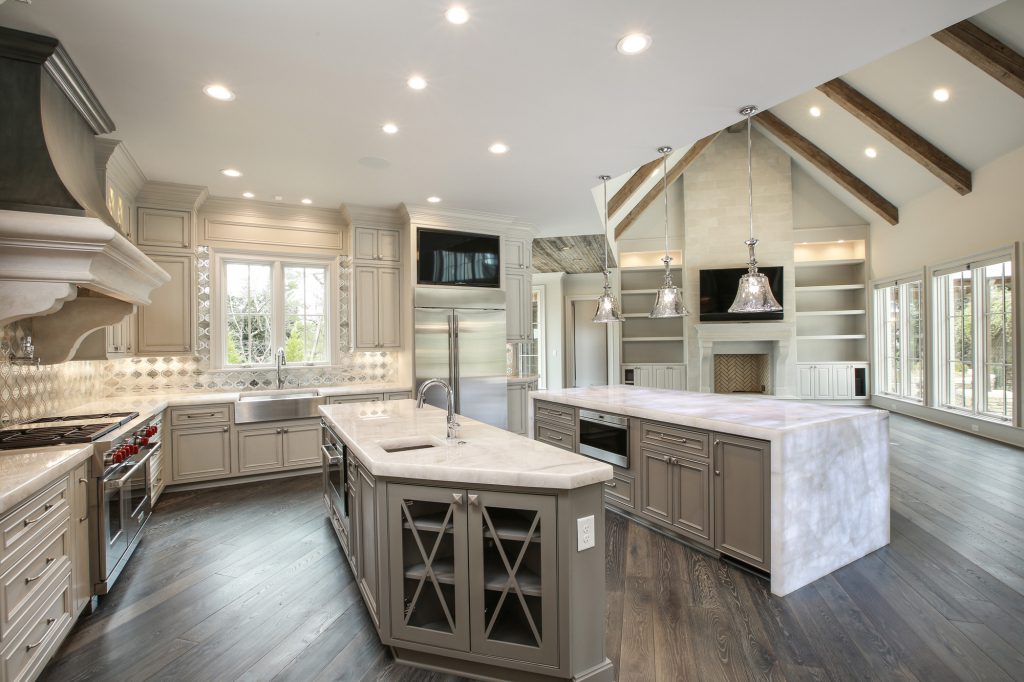
As householders look to improve their homes, they often encounter numerous renovation options tailored to different needs and preferences. These projects are generally grouped into various categories, each addressing specific aspects of residential enhancement. Kitchen renovations center on upgrading equipment, the cabinets, and the design to improve usability and aesthetics. Bathroom remodeling typically involves improving the fittings, tiling, and shelving options for greater ease and style.
Full-house renovation covers extensive modifications to the entire house, often including structural alterations to maximize the area and movement. Outdoor renovation projects, on the other hand, concentrate on enhancing the home's outward appearance, addressing siding, the roof, and the garden design. Moreover, niche projects such as completing the basement and attic conversions help residents make the most of unused areas. Every renovation category delivers specific perks, letting residents pick services that match their goals for their living environment. Understanding these distinctions is vital for deciding intelligently throughout the remodeling project.
Creating an Attainable Financial Limit for Your Renovation Undertaking
What steps ensure their renovation work stays within budget? Establishing a realistic budget is essential. Property owners must start by determining their fiscal limits, covering savings and possible funding sources. This preliminary action allows one to figure out the funds available for the updating project without compromising other financial responsibilities.
Afterward, those undertaking the remodel should investigate the expenses linked to their planned updates, taking into account materials, labor, and unexpected costs that frequently occur. Making an exhaustive list of needs aids in separating necessities from non-essential items, enabling modifications if the finances are strained.
It is smart to incorporate a reserve fund, usually about 10-20% of the overall cost, to account for surprise expenditures. Periodically examining and tweaking the budget throughout the remodeling process can also help maintain financial control. Finally, a thoroughly prepared budget does more than just confirm the project can be done and makes the whole updating experience better for homeowners.
Selecting the Appropriate Contractor for Your Requirements.
Choosing the appropriate professional has a major influence on how well a renovation turns out. Property owners ought to start by doing comprehensive research, looking for suggestions from acquaintances, relatives, or web feedback. It is essential to confirm documentation, like licenses, insurance, and bonds, to establish credibility.
Once potential contractors are identified, homeowners should request detailed estimates and timelines, allowing for informed comparisons. Interviews provide insight into communication styles and professionalism, which are essential for a collaborative process.
In addition, looking at completed jobs through galleries or recommendations demonstrates the professional's skill level. Property owners must also ask about guarantees or assurances, which shows the professional's belief in their output.
Finally, picking a builder whose approach fits the property owner's ideas, cost plan, and timeframe leads to a more favorable updating process, making certain the outcome satisfies needs and changes the space as intended.
Planning and Designing Your Perfect Area.
As homeowners envision their ideal spaces, careful planning and thoughtful design form vital parts of a successful remodeling project. The beginning stage requires reviewing existing necessities and future desires, which permits a comprehensive grasp of the room's intended function. Owners must take into account practicality, visual appeal, and their individual taste, to guarantee the design showcases their unique preferences.
Subsequently, establishing a thorough budget is crucial. This budget should account for materials, workforce costs, and potential unforeseen expenses. Hiring professional designers can provide valuable insights, helping to optimize the space while sticking to budgetary constraints.
Including features such as natural light, spacious designs, and eco-friendly supplies can enhance the overall experience. Finally, seeing the project via mock-ups or 3D visualizations can help perfect concepts before implementation. By thoughtfully tackling the design and planning stage, homeowners can build a comfortable, effective space tailored to their lifestyle.
Navigating Permits and Regulations in House Renovation
Understanding the complexities of permits and regulations can be daunting for homeowners embarking on a renovation. Every city or county maintains distinct regulations that dictate what is permissible during renovations, frequently shaped by zoning laws, construction standards, and security requirements. Homeowners must familiarize themselves with local regulations to prevent expensive penalties or construction hold-ups.
In most cases, getting permits is mandatory for major changes, such as modifying load-bearing elements or electrical work. This process frequently requires submitting blueprints for approval and might demand site visits at different phases.
Engaging a knowledgeable contractor can simplify this process, as they are usually well-versed in local regulations and can help manage the documentation. Homeowners should also keep communication open with the municipal planning office to ensure adherence throughout the project. By understanding and maneuvering through these requirements, homeowners can fulfill their improvement aims and maintaining compliance with the law in their renovations.
FAQs
How Long Does a Typical Home Remodeling Project Take?
A typical home remodeling project usually takes between three to six months, contingent upon the extent of the project, size of the home, and availability of materials. More involved renovations might need extra time for completion.
What's the best way to avoid typical errors you should steer clear of throughout the renovation process?
Frequent errors in the remodeling process are things like miscalculating costs, neglecting permits, not adhering to the project schedule, poor communication with the construction team, and failing to think about long-term functionality. Awareness of these pitfalls helps ensure a more efficient, more successful remodeling experience.
What's the best way to select the appropriate materials for my project?
Picking the best materials means considering their resilience, visual appeal, and cost constraints. Investigating available choices, getting expert advice, and considering maintenance needs are vital steps in making informed decisions, to guarantee the project fits your functional and aesthetic goals.
Can I live in my home during renovations?
Yes, one can live in their home while work is ongoing, but it could be uncomfortable. Thorough preparation, timely resource maintaining open dialogue with your builders, and creating defined spaces for daily use will reduce the inconvenience during the process.
What guarantees should I look for from remodeling contractors?
You should anticipate receiving warranties for the labor performed, the supplies used, and key building elements, typically ranging from one to ten years. It is essential to examine the exact provisions alongside your builders to know the full extent of the guarantee and its restrictions.